
In today’s fast-paced life, diabetes has become a major part of the global public health challenge. With the advancement of technology and breakthroughs in medical research, various treatments have sprung up, among which Guanidine Hydrochloride, as the mainstay of diabetes treatment, has attracted extensive attention and research.

What is Guanidine Hydrochloride?
Guanidine Hydrochloride is an oral anti-diabetic drug that is widely used in the treatment of type 2 diabetes. It is not only used to manage blood sugar levels, but also has many other health benefits. Guanidine hydrochloride works by reducing the amount of sugar released by the liver and enhancing the body’s sensitivity to insulin, thus helping diabetics better control their blood sugar levels.
Mechanism of Action of Guanidine Hydrochloride
The mechanism of action of guanidine hydrochloride is very unique and effective. It works mainly through the following ways:
Inhibition of hepatic glycogen synthesis: The liver is an important organ in the body for storing and releasing glucose. Guanidine hydrochloride reduces the synthesis of glycogen in the liver, thereby reducing the release of additional blood glucose.
Increased efficiency of insulin use: Guanidine hydrochloride enhances the sensitivity of the body’s cells to insulin, which means that the cells more efficiently utilize insulin in the bloodstream to absorb blood sugar.
Inhibits Glycation: Glycation is one of the common complications for diabetics and can lead to a variety of health problems. Guanidine hydrochloride reduces the rate at which sugar binds to proteins, thereby reducing the risk of these complications.
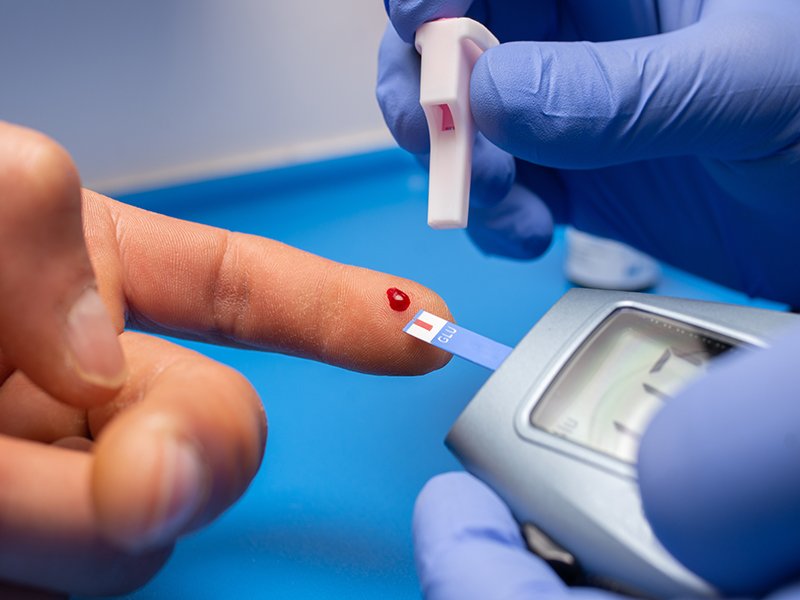
Outstanding contribution of guanidine hydrochloride in the treatment of diabetes mellitus
Clinical studies have shown that guanidine hydrochloride not only excels in lowering blood sugar, but also shows positive effects on weight and lipids. Studies have indicated that long-term use of Guanidine Hydrochloride significantly reduces body weight, improves blood lipid levels, and helps reduce the risk of cardiovascular disease.
Clinical Applications and Effects of Guanidine Hydrochloride
Guanidine hydrochloride is widely used in clinical practice and is considered a first-line drug for the treatment of type 2 diabetes. It has shown significant results not only in terms of blood sugar control, but also in terms of overall health benefits for diabetic patients. Long-term use of guanidine hydrochloride has also shown its potential in preventing diabetic complications such as cardiovascular disease and neuropathy.
Future Development and Research Prospects of Guanidine Hydrochloride
The future of guanidine hydrochloride looks very bright as technology and medical research continue to advance. Current research is exploring the potential applications of guanidine hydrochloride in the prevention of diabetic complications, in the treatment of other metabolic disorders, and in cancer treatment.
Summarization:To summarize, guanidine hydrochloride is widely used worldwide as an effective oral antidiabetic drug and has shown remarkable efficacy. It regulates blood glucose levels through a variety of mechanisms, which not only helps to control the progression of diabetes, but may also have a positive impact on the overall health of diabetics.

If you are interested in Guanidine Hydrochloride as well as other drug related information, please visit our official website www.fyyschemistry.com for more detailed information and latest research progress.
With this article, we hope to provide you with a thorough explanation of Guanidine Hydrochloride to help you better understand and utilize this important diabetes treatment drug.
