
In the realm of aquaculture, maintaining a healthy environment is crucial for the well-being of aquatic organisms and the sustainability of the industry.
Polyhexamethylene Guanidine Hydrochloride (PHMG) emerges as a valuable solution with its unique chemical formula (CAS NO. 57028-96-3), offering significant benefits in promoting the health and productivity of aquaculture systems. This article delves into the applications, advantages, and importance of PHMG in enhancing aquaculture practices worldwide.
Aquaculture, the farming of aquatic organisms such as fish, shrimp, and mollusks, plays a vital role in meeting the growing global demand for seafood. However, aquaculture systems are susceptible to various challenges, including waterborne diseases, microbial contamination, and environmental stressors.
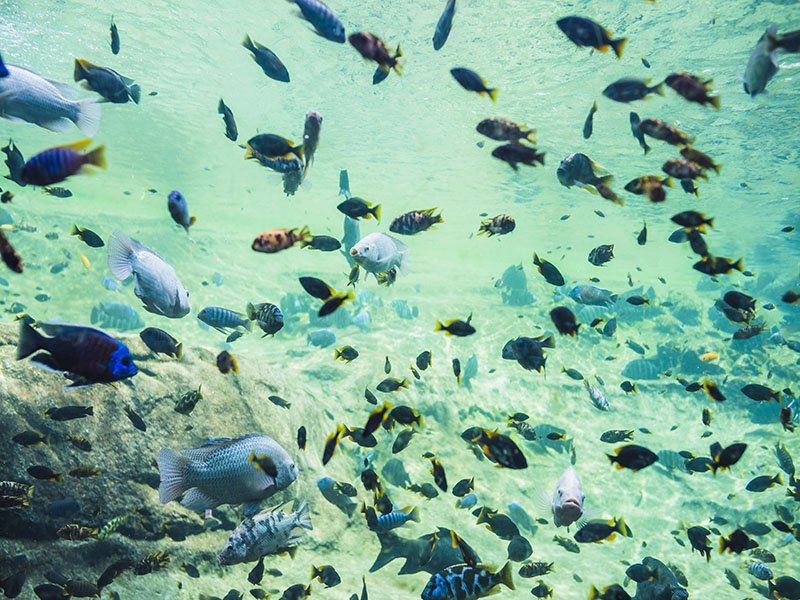
PHMG proves to be a versatile tool in addressing these challenges and ensuring the success and sustainability of aquaculture operations.
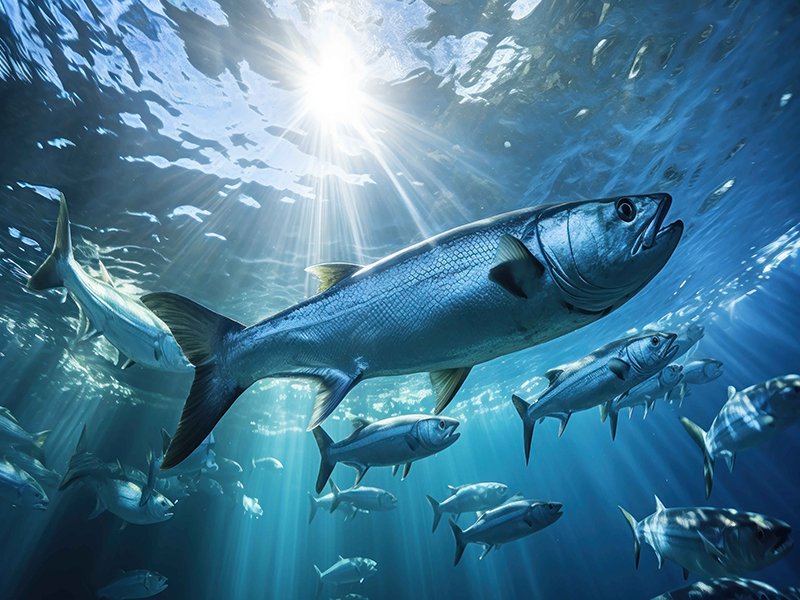
One of the primary applications of PHMG in aquaculture is its role as a potent antimicrobial agent. By effectively controlling microbial growth in aquaculture water, PHMG helps prevent the spread of diseases among aquatic species. Bacterial infections such as columnaris disease and Aeromonas hydrophila can devastate fish populations and cause significant economic losses in aquaculture. PHMG’s ability to inhibit the proliferation of pathogenic bacteria mitigates the risk of disease outbreaks, ensuring the health and survival of farmed fish and other aquatic organisms.
Furthermore, PHMG contributes to water quality management in aquaculture systems. Excessive organic matter, uneaten feed, and metabolic by-products can accumulate in aquaculture ponds, leading to degraded water quality and increased susceptibility to diseases.
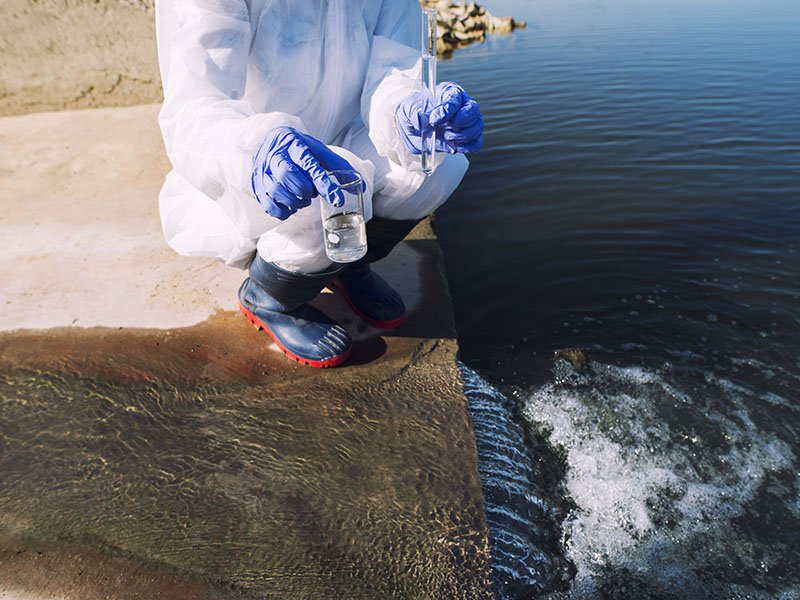
PHMG acts as a water treatment agent, facilitating the breakdown of organic pollutants and reducing the biochemical oxygen demand (BOD) in aquaculture water. By promoting a clean and stable aquatic environment, PHMG enhances the overall welfare and productivity of aquaculture operations.
In addition to its antimicrobial and water treatment properties, PHMG exhibits biocompatibility and environmental safety, making it suitable for use in aquaculture systems. Unlike certain chemical additives that may harm aquatic organisms or disrupt the ecological balance, PHMG is non-toxic and biodegradable, posing minimal risks to fish, shrimp, and other aquatic species. Its eco-friendly profile aligns with sustainable aquaculture practices and contributes to the long-term health of aquatic ecosystems.
In conclusion, Polyhexamethylene Guanidine Hydrochloride (PHMG) offers significant advantages in enhancing aquaculture practices and ensuring the health and sustainability of aquaculture systems. By serving as an effective antimicrobial agent, water treatment solution, and environmentally safe additive, PHMG plays a pivotal role in disease prevention, water quality management, and overall productivity improvement in aquaculture.
As the aquaculture industry continues to expand to meet global seafood demand, the incorporation of PHMG presents a promising opportunity to optimize production efficiency and promote environmental stewardship in aquaculture operations worldwide. View More Articals via www.fyyschemistry.com.
