
Guanidine Thiocyanate, also known as Guanidinium thiocyanate Guanidinium Isothiocyanate, is a powerful chemical compound extensively used in various fields including molecular biology, biochemistry, and organic synthesis. Its versatile properties make it an indispensable tool in scientific research and industrial applications. In this article, we will delve into the characteristics, applications, and safety considerations of Guanidine Thiocyanate. View More Articals via www.fyyschemistry.com.
Properties:
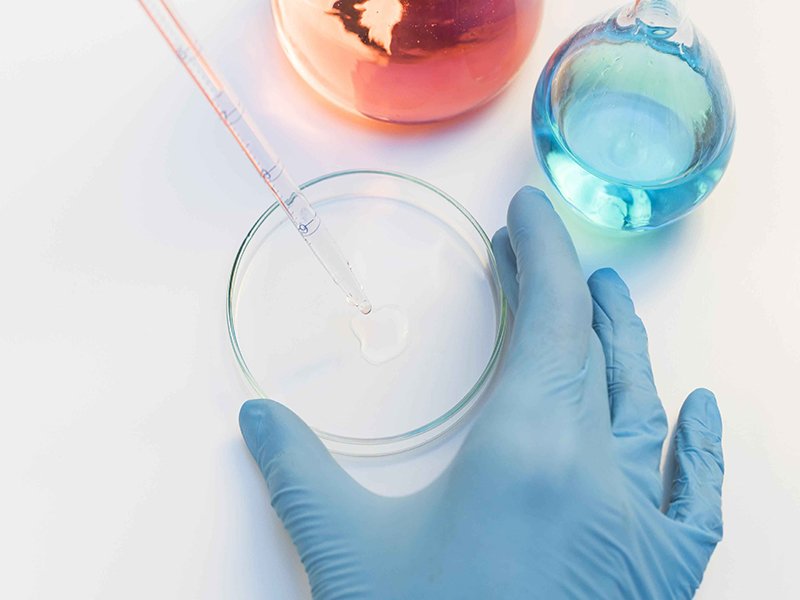
Guanidine Thiocyanate is a white crystalline solid with the chemical formula C2H6N4S. It is highly soluble in water, making it convenient for various biochemical applications. One of its notable characteristics is its ability to denature proteins and disrupt nucleic acid structures, which is crucial in processes like DNA and RNA extraction and purification.
Applications:
Nucleic Acid Extraction: Guanidine Thiocyanate is commonly used in molecular biology laboratories for extracting DNA and RNA from biological samples. Its chaotropic properties help in lysing cells and releasing nucleic acids, enabling efficient isolation and purification.
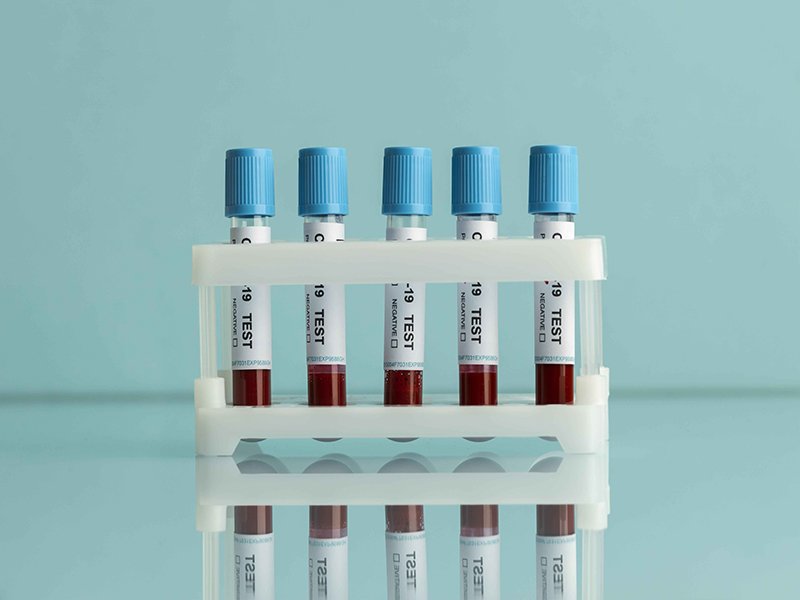
RT-PCR: In reverse transcription polymerase chain reaction (RT-PCR), Guanidine Thiocyanate is utilized to inactivate RNases, ensuring the integrity of RNA samples during cDNA synthesis and amplification.
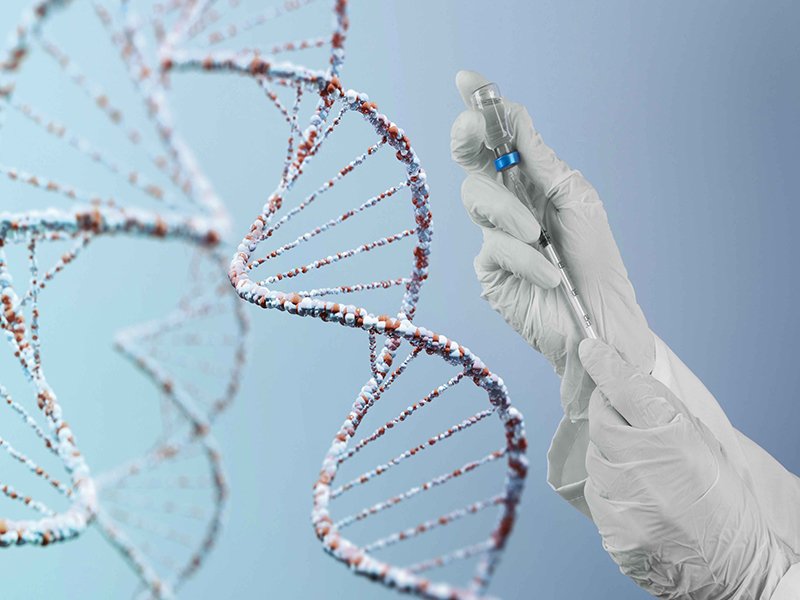
Organic Synthesis: It serves as a reagent in organic synthesis reactions, especially in producing pharmaceuticals and fine chemicals due to its role as a strong nucleophile.
Protein Denaturation: Guanidine Thiocyanate is employed for denaturing proteins in biochemical studies, facilitating the analysis of protein structures and functions.
Safety Considerations:
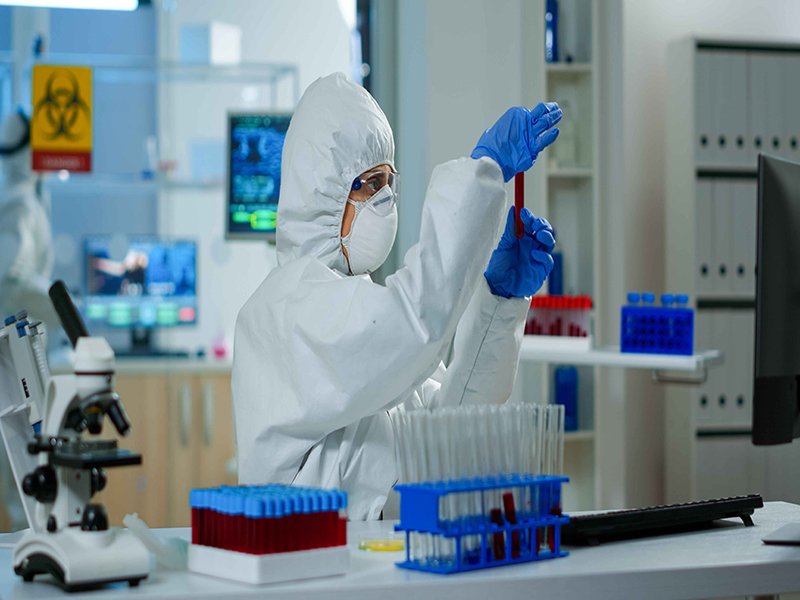
While Guanidine Thiocyanate is widely used in laboratories, it is crucial to handle it with care due to its toxic and irritant properties. Proper personal protective equipment (PPE) such as gloves, goggles, and lab coats should be worn when working with this compound. Additionally, it should be stored in a well-ventilated area away from incompatible substances.
In conclusion, Guanidine Thiocyanate is pivotal in various scientific and industrial applications, ranging from nucleic acid extraction to organic synthesis. Understanding its properties, applications, and safety considerations is essential for ensuring efficient and safe utilization in laboratory settings.
