
In agriculture, guanidine hydrochloride plays a crucial role as a plant growth regulator. It has various functions that contribute to enhancing crop yield and quality and improving plant resilience to environmental stressors. Let’s delve deeper into guanidine hydrochloride’s specific applications and benefits in agriculture.
Promotion of Plant Growth:
Guanidine hydrochloride facilitates the absorption and utilization of essential nutrients by plants, such as nitrogen, phosphorus, and potassium. By optimizing nutrient uptake, it ensures that plants have access to the necessary elements for healthy growth and development. By promoting plant growth, it can increase crop yield and accelerate the maturation process of plants. This results in healthier and more robust crops that are better equipped to withstand environmental challenges.
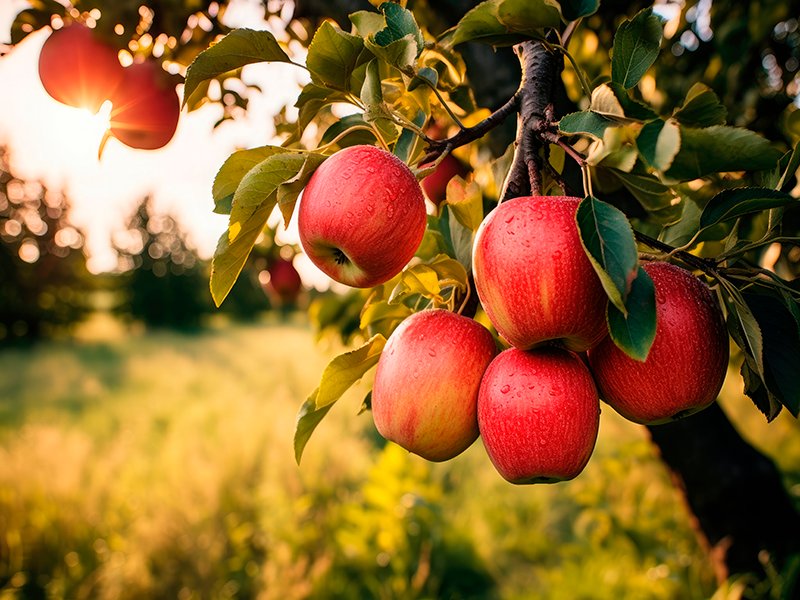
Enhanced Stress Tolerance :
Guanidine hydrochloride boosts plants’ resilience to drought and cold temperatures, making them more adaptable to adverse conditions. This increased stress tolerance helps plants survive and thrive in challenging environments, ultimately leading to better crop performance and yield stability.

Resistance to Pests and Diseases:
Guanidine hydrochloride enhances plants’ natural defense mechanisms, making them more resistant to pests and diseases. By strengthening the plant’s immune system, it reduces the likelihood of pest infestations and disease outbreaks. This results in healthier plants, reduced reliance on chemical pesticides, and improved sustainability in pest management practices.

Improved Photosynthesis Efficiency :
By enhancing photosynthesis in plants, guanidine hydrochloride increases the efficiency of converting light energy into chemical energy. This results in higher yields and improved crop quality, as well as better utilization of resources. Improved photosynthesis efficiency contributes to overall plant health and productivity.

Fruit Development and Preservation :
Guanidine hydrochloride plays a vital role in promoting fruit development and maturation, leading to better fruit quality and increased yield. Additionally, it helps extend the shelf life of fruits by reducing decay and spoilage, ensuring that harvested fruits remain fresh and marketable for longer periods.

In conclusion, guanidine hydrochloride is a versatile plant growth regulator that offers numerous benefits in agriculture. Its ability to promote plant growth, enhance stress tolerance, improve photosynthesis efficiency, and aid in fruit development and preservation makes it an invaluable tool for farmers seeking to optimize crop production and quality. View MoreArticals via www.fyyschemistry.com.
