
Introduction:
In today’s pharmaceutical and chemical fields, the search for multifunctional and efficient compounds has always been a crucial task for researchers. Liquid guanidine hydrochloride, as a noteworthy organic compound, not only finds wide applications in pharmaceutical synthesis but also demonstrates unique advantages in other fields. This article will delve into the basic information, uses and advantages of liquid guanidine hydrochloride, as well as storage and preservation methods.
Basic Information:
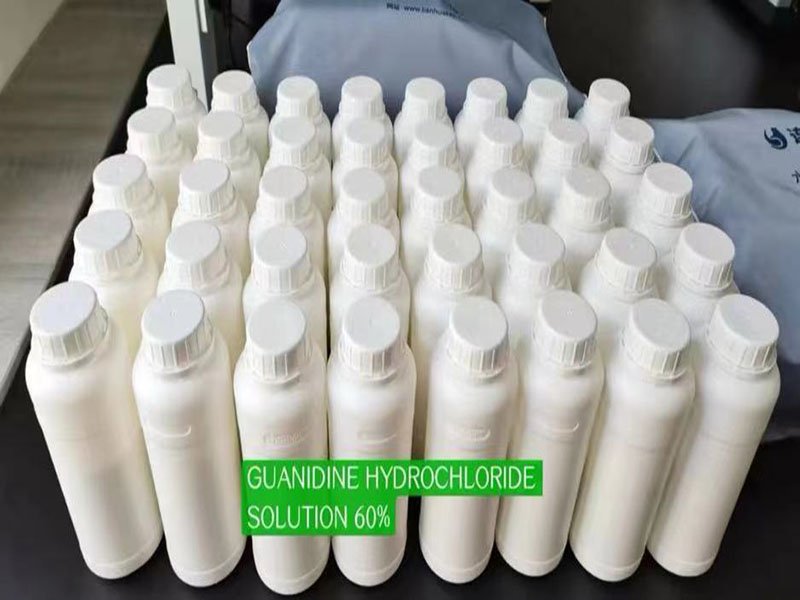
Liquid guanidine hydrochloride is an organic compound with the chemical formula C2H7N3·HCl. It exists in liquid form, possessing excellent solubility and reactivity, making it highly favored in chemical synthesis and pharmaceutical preparations.
Uses and Advantages:
Pharmaceutical Synthesis: Liquid guanidine hydrochloride serves as a crucial intermediate in pharmaceutical synthesis and is widely employed in producing various drugs. Its exceptional catalytic performance during synthesis promotes reaction efficiency and enhances product purity, providing a reliable foundation for drug development.
Multifunctionality: Compared to traditional solid guanidine hydrochloride, liquid guanidine hydrochloride is easier to handle and use, meeting the demands under different reaction conditions. Its liquid state allows for uniform mixing with other reagents, improving reaction homogeneity and efficiency.
High Solubility: Liquid guanidine hydrochloride exhibits excellent solubility, dissolving in a wide range of solvents including water, alcohol, etc. This superior solubility facilitates thorough mixing with other reagents during the reaction process, aiding in enhancing reaction rates and yields.
Precise Control: Due to its liquid form, liquid guanidine hydrochloride enables more accurate control over dosage, ensuring stability and controllability of reaction conditions, thereby enhancing reproducibility and product quality.
Storage and Preservation:
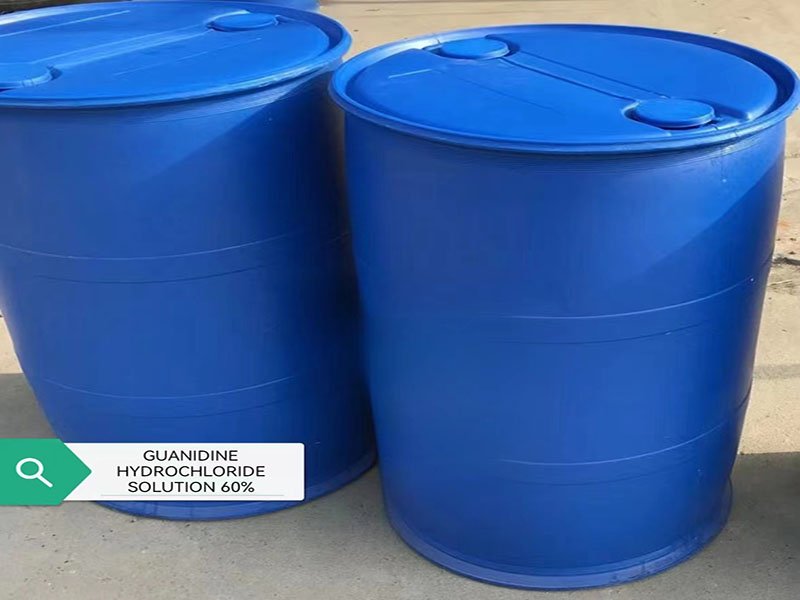
To ensure the quality and stability of liquid guanidine hydrochloride, here are some suggested storage and preservation methods. Store liquid guanidine hydrochloride in a dry, cool place, away from direct sunlight and high temperatures.
Avoid contact with oxygen, moisture, and other chemicals to prevent unnecessary chemical reactions.
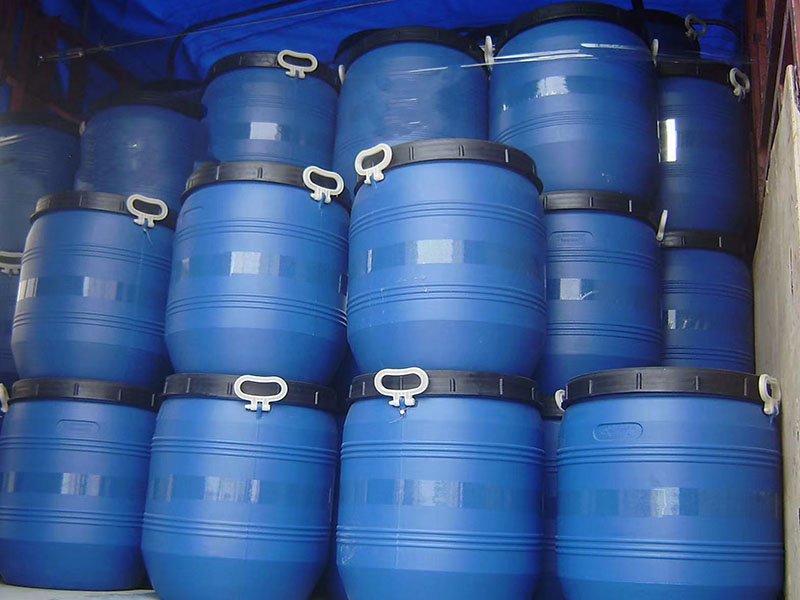
Before use, check whether the container is properly sealed to prevent leakage or spillage, and avoid vibration and severe shaking. Strictly follow the instructions provided in the product manual for storage and use, and adhere to safety procedures to ensure personnel and environmental safety.
Conclusion: Liquid guanidine hydrochloride, as a multifunctional compound, not only plays a vital role in pharmaceutical synthesis but also holds promising applications in various fields. Its outstanding solubility, precise control ability, and multifunctionality make it an indispensable assistant in the chemical and pharmaceutical industries. In future research and applications, liquid guanidine hydrochloride will continue demonstrating its unparalleled advantages and potential. View More Articals via www.fyyschemistry.com.
