
Polyhexamethylene Guanidine Hydrochloride (PHMG) is a chemical compound with a molecular formula of CAS NO. 57028-96-3 that has garnered attention for its versatile applications in various industries. Particularly in the nonwoven fabric sector, PHMG plays a crucial role in enhancing the properties of textiles, making them more durable, antimicrobial, and suitable for a wide range of uses.
Nonwoven fabrics have gained significant popularity in recent years due to their versatility and environmentally friendly characteristics. These fabrics are produced by bonding or interlocking fibers through mechanical, thermal, or chemical processes, eliminating the need for traditional weaving or knitting. The incorporation of PHMG into nonwoven fabrics offers numerous benefits, including enhanced durability, antimicrobial properties, and versatility in applications.

One of the primary advantages of utilizing PHMG in nonwoven fabrics is its exceptional antimicrobial properties. Extensive research has demonstrated PHMG’s ability to inhibit the growth of bacteria, fungi, and viruses, making it an ideal choice for applications where maintaining high levels of hygiene is essential. By integrating PHMG into nonwoven fabrics, manufacturers can create products that are resistant to microbial growth, thereby reducing the risk of contamination and ensuring a hygienic environment.
Moreover, PHMG contributes to the durability and strength of nonwoven fabrics. By treating fibers with PHMG during the production process, manufacturers can enhance the tensile strength and abrasion resistance of the final product. This not only prolongs the lifespan of the fabric but also improves its performance in various applications, such as medical textiles, filtration materials, and geotextiles.
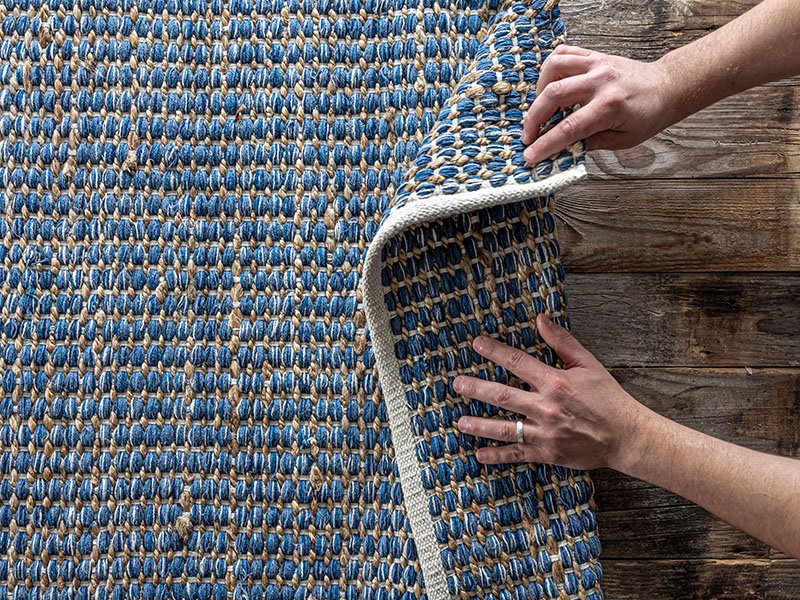
Additionally, nonwoven fabrics treated with PHMG exhibit excellent water repellent and moisture management properties. This is particularly advantageous in applications where moisture control is critical, such as medical gowns, diapers, and outdoor textiles. The hydrophobic nature of PHMG aids in repelling liquids and moisture, ensuring the fabric remains dry and comfortable for the user.
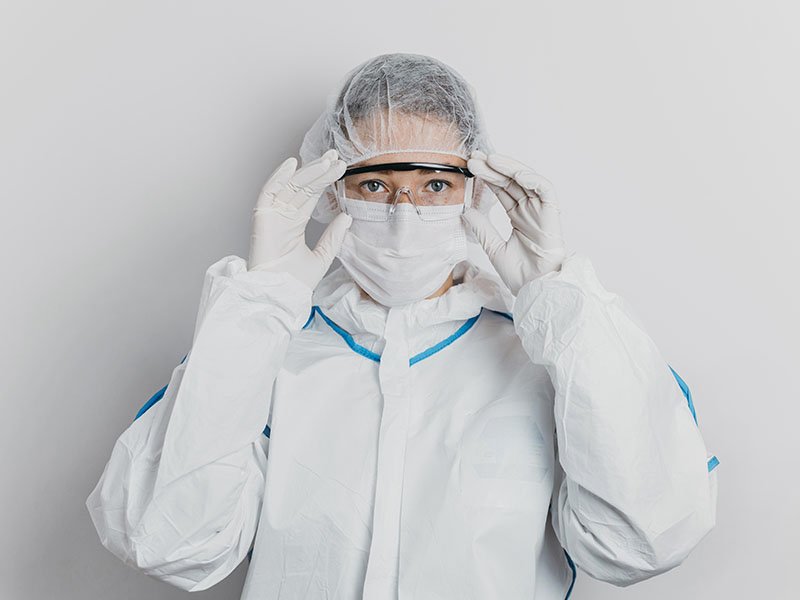

Furthermore, PHMG is compatible with a wide range of fibers, including polyester, polypropylene, and viscose. This versatility enables manufacturers to incorporate PHMG into different types of nonwoven fabrics without compromising on quality or performance. Whether for medical, industrial, or consumer applications, PHMG can be tailored to meet the specific requirements of diverse markets.
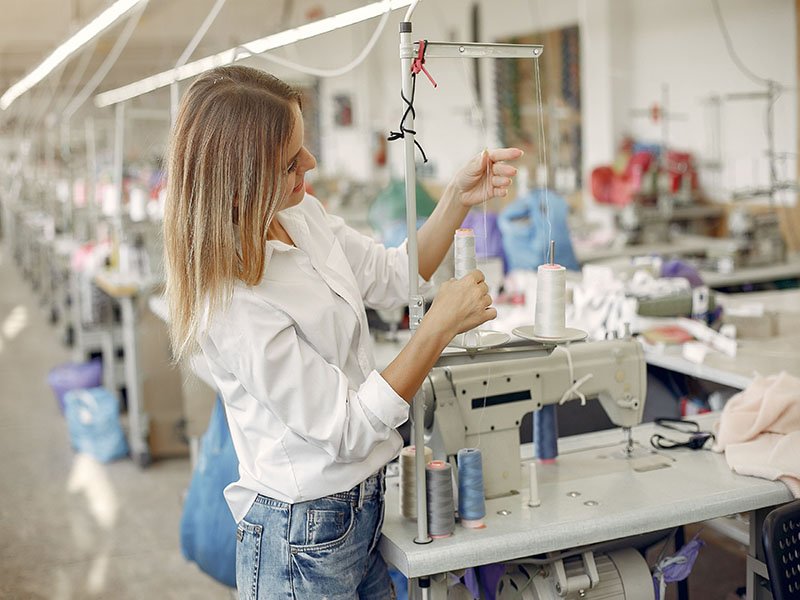
In conclusion, Polyhexamethylene Guanidine Hydrochloride (PHMG) plays a pivotal role in enhancing the properties of nonwoven fabrics, making them more durable, antimicrobial, and adaptable to various uses.
By harnessing the unique characteristics of PHMG, manufacturers can develop high-performance fabrics that meet the evolving demands of the industry. With its antimicrobial, durability, and moisture management attributes, PHMG serves as a valuable additive in the nonwoven fabric sector, driving innovation and sustainability in textile solutions.
With PHMG, the future of nonwoven fabrics appears promising and sustainable.
View More Articals via www.fyyschemistry.com.
